
Adopting/Purchasing Conures in Sydney or Australia: What to Know
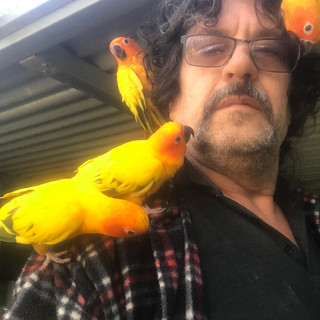
Conures are vibrant, playful, and affectionate birds that make wonderful pets. If you are considering adopting a conure in Sydney or Australia, there are several important factors to understand before bringing one home. This guide will walk you through everything you need to know about adopting conures, from their care requirements to where to find them.
Why Adopt Conures?
Adopting a conure is a rewarding experience. These birds are known for their lively personalities and beautiful plumage. They thrive on social interaction and can form strong bonds with their owners. However, adopting a conure is a long-term commitment that requires time, patience, and knowledge.
When you adopt a conure, you are giving a bird a loving home and a chance to thrive. Many conures are available for adoption through reputable breeders and aviaries. It is important to choose a source that prioritises the health and well-being of its birds.
Before adopting, consider the following:
Space: Conures need a spacious cage and room to fly and play.
Noise: These birds can be noisy, so consider your living situation.
Time: Conures require daily interaction and mental stimulation.
Lifespan: They can live 20-30 years with proper care.
Adopting a conure is not just about having a pet; it is about welcoming a new family member who will bring joy and companionship.

How to Adopt Conures, Steps and Tips
If you are ready to adopt a conure, follow these practical steps to ensure a smooth, responsible adoption.
1. Research Different Conure Species
Conures come in various species, each with unique traits. Some popular types include:
Green-cheeked conures: Smaller and quieter.
Sun conures: Bright orange and yellow, very social.
Jenday conures: Vibrant colours and playful nature.
Gold Capped Conures: Are more cuddly, but are louder than some of the others.
Understanding the species will help you choose the right bird for your lifestyle.
2. Find Reputable Sources
Look for breeders or aviaries with good reputations. You can start by checking online Google listings or visiting local bird clubs. One reliable place to explore is conures for sale sydney, where you can find healthy birds and expert advice.
Seek out breeders with an extensive history of reviews, rather than just a few, and those that have been established for many years, rather than transient operations.
A breeder who provides ongoing advice and continues to offer support well after you have brought your new bird home.
A place that doesn't continually inundate social media with lengthy AI information from the internet as if it were their own.
3. Visit the Aviary or Breeder
Before adopting/purchasing, visit the breeder to observe the birds and ask all the questions you may have. Listen to what he says and take it all on board. Healthy conures should be active, alert, and have clean feathers. Inquire about their diet, health history, socialisation, as well as their feeding and weaning practices. Every baby should be weaned at their own pace, rather than being forced to wean quickly.
Locate an ethical breeder who does not incubate every egg to pressure the hens into producing more. In some situations, you may need to incubate, but this should not be standard practice.
Take your time to let it sink in: is the bird you're considering the one you anticipated, and will it suit your home? Don't let the breeder pressure you into a hasty decision. They might say it's the last one or that their Christmas orders are nearly complete, urging you to act quickly. Go home, have a family discussion, and wait for the right bird.
4. Prepare Your Home
Set up a suitable cage with toys, perches, and food dishes. Make sure the environment is safe and free of hazards, such as toxic plants or open windows.
5. Plan for Veterinary Care
Find an avian vet in your area for regular check-ups and emergencies. Early health care is crucial for your conure’s well-being.
6. Bring Your Conure Home
Introduce your new pet slowly and patiently. Spend time bonding and learning their personality.

How Much Are Conures in Australia?
The cost of adopting a conure in Australia varies depending on the species, age, and source. On average, prices range from AUD 250 to AUD 800 or more. Some factors influencing the price include:
Species rarity: More exotic conures tend to be pricier.
Breeder reputation: Established breeders may charge more for quality assurance.
Age of the bird: Younger birds or hand-raised conures might cost more.
Besides the initial adoption fee, consider ongoing expenses such as:
Cage and accessories
Food and treats
Toys and enrichment items
Veterinary care
Budgeting for these costs ensures you can provide your conure with a healthy, happy life.
Caring for Your Adopted Conure
Once you have adopted your conure, proper care is essential to keep it healthy and happy. Here are some key care tips:
Nutrition
Feed your conure a balanced diet consisting of:
High-quality Seed mix
Fresh fruits and vegetables (avoid avocado and onion)
The odd nuts as treats a couple of times a week
Conures require more fat in their diet compared to old-world parrots such as Cockatiels, Cockatoos, and Amazons, which preen using dander (dust). In contrast, conures use an oily substance from the uropygial gland on their tail, entirely derived from their diet, for preening.
Pellets: We avoid them because 99% of their ingredients are soybeans, which contain the highest levels of estrogen among plants. This hormone can disrupt the birds' endocrine system, leading to various hormonal problems and more.
Social Interaction
Conures are social birds that need daily interaction. Spend time talking, playing, and training your bird to prevent boredom and behavioural issues.
Environment
Provide a clean cage with:
Multiple perches of different sizes
Toys for mental stimulation
Fresh water daily
Allow supervised out-of-cage time for exercise.
Health Monitoring
Watch for signs of illness such as:
Changes in appetite
Fluffed feathers
Lethargy or unusual behaviour
Regular vet visits are important for early detection of health problems.
Noise Management
Conures can be loud, especially during mornings and evenings. Use positive reinforcement to manage excessive noise and provide plenty of stimulation to reduce boredom.
A bird that is content and happy tends to be quiet.
Supporting Local Bird Communities and Resources
Most locations have a vibrant community of bird lovers and resources to support conure owners. Joining local bird clubs or online forums can provide valuable advice and social opportunities.
Some useful resources include:
Bird rescue organizations
Avian veterinarians
Pet stores specialising in birds
Educational workshops and seminars
Connecting with other conure owners helps you stay informed and share experiences.
Adopting a conure is a fulfilling journey that requires preparation and commitment. By understanding their needs and sourcing your bird responsibly, you can enjoy the companionship of these charming parrots for many years.
For those interested in finding healthy and well-cared-for birds, exploring conures for sale sydney is a great place to start your adoption journey.


Comments